
- InputArena – Compare Mouse & Keyboard
- All Gadgets
- Compare
- ATTACK SHARK X8 vs ATTACK SHARK X3
ATTACK SHARK X8 vs ATTACK SHARK X3
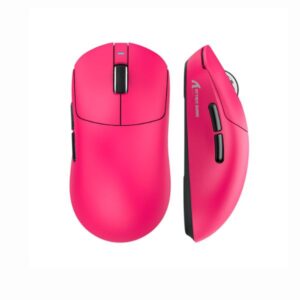
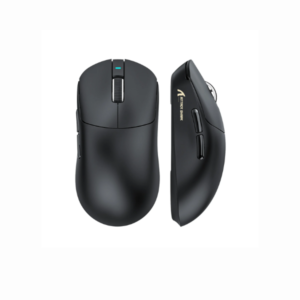
ATTACK SHARK X8 vs ATTACK SHARK X3
ATTACK SHARK X8 vs ATTACK SHARK X3 is mainly a choice between hand feel, wireless performance and everyday practicality rather than just the higher number on the spec sheet. Use this comparison to decide which mouse better matches your grip style, desk setup and sensitivity preference. The important checks are shape, weight balance, sensor/DPI range, polling support, button layout, battery claims and whether the included receiver or software matches your system. The imported comparison notes highlight: Discover ATTACK SHARK X8 vs X3 full comparison: X8's 42K DPI, 8KHz polling, 55g ultra-light vs X3's 26K DPI, 1KHz, 54g. Tri-mode wireless, superior tracking—pick your gaming winner!
⚖️ Key Differences
- ATTACK SHARK X8 should be judged first on comfort, shell size and whether its weight feels stable for your grip.
- ATTACK SHARK X3 should be judged on whether its shape or upgraded feature set gives a real advantage for your daily use.
- Performance differences matter most for gaming: compare sensor class, DPI ceiling, polling rate support and wireless receiver requirements.
- For office or casual use, click feel, noise, battery life and plug-and-play reliability can be more important than maximum DPI.
- Before buying, confirm the exact regional bundle because some high-polling mice need a separate 4K or 8K dongle.
| ATTACK SHARK X8 – Full specification | ATTACK SHARK X3 AJ159P – Full specification | |
|---|---|---|
| Overview | ||
| Price | $59.00 | $35.00 |
| Our Rating | ||
| Brand | attack-shark | attack-shark |
| Category | Mouse | Mouse |
| Basic Information | ||
| Brand | ATTACK SHARK | ATTACK SHARK |
| Model Name | X8 | AJ159P |
| Release Year | 2025 | 2023 |
| Category | Mouse | Mouse |
| Grip Style | Palm, Claw | Palm, Claw |
| Ergonomics | Right-handed | Right-handed |
| Design Type | Gaming | Ergonomic |
| Color Options | Black, White | Black |
| Dimensions & Weight | ||
| Length | 125 mm | 120 mm |
| Width | 63 mm | 62 mm |
| Height | 39.7 mm | 38 mm |
| Weight | 55 g | 68 g |
| Material | Matte-textured ABS plastic | Matte ABS plastic |
| Feet Material | PTFE Skates | PTFE |
| Sensor & Performance | ||
| Sensor Type | Optical | Optical |
| Sensor Model | PixArt (model not specified) | PixArt PAW3395 |
| Resolution (DPI) | 100 – 25,000 DPI | 100 – 26,000 DPI |
| Tracking Accuracy | Flawless | Flawless tracking |
| Polling Rate | 1000 Hz | 1000 Hz |
| Max Tracking Speed | 400 IPS | 650 IPS |
| Max Acceleration | 40 G | 50 G |
| Lift-off Distance | Not specified | 1 mm adjustable |
| Click Latency | Low latency | ~1.5 ms |
| Onboard Memory | Yes | Yes |
| Switches & Buttons | ||
| Switch Type | Omron | Huano Blue Shell Pink Dot |
| Durability | 100 Million clicks | 80 Million clicks |
| Total Buttons | 6 | 6 |
| Scroll Wheel | Standard | Standard notched wheel |
| Side Buttons | Customizable | 2 programmable |
| Middle Click | Standard | Supported |
| Macro Support | Yes | Yes |
| Connectivity | ||
| Connection Type | Tri‑mode (2.4 GHz / Bluetooth / Wired USB‑C) | Wireless 2.4 GHz / Wired USB-C |
| Cable Length | Not specified | 1.8 m |
| Cable Type | USB‑C | Paracord |
| Wireless Receiver | Nano Receiver | Nano Receiver |
| Charging Port | USB‑C | USB-C |
| Compatibility | Windows, macOS | Windows, macOS |
| Compatibility | ||
| Software | Web-based Configurator & PC Software | — |
| System Support | Windows 10/11, macOS | — |
| Interface Required | USB‑A / USB‑C port | — |
| Battery & Charging | ||
| Battery Type | Built‑in Li‑Po (500 mAh) | 500 mAh Li‑Po |
| Battery Life | Up to 300 hours | Up to 120 hours |
| Charging Method | USB‑C Wired | USB‑C charging |
| Charge Time | Not specified | Approx. 2 hours |
| Smart Features | ||
| Smart Features |
Tri‑mode connectivity Web‑based configuration Low‑latency wireless PTFE feet for smooth glide |
RGB lighting Custom DPI stages Low power mode Onboard profile storage |
🧾 Side-by-Side Buying Summary
Choose ATTACK SHARK X8 if you prefer its shape, size and feature balance over chasing every possible upgrade. It is the safer pick when its grip profile already matches your hand and the price is clearly lower than ATTACK SHARK X3.
Choose ATTACK SHARK X3 if its upgraded sensor, polling, battery, RGB or ergonomics match the way you actually use a mouse. It makes more sense when the extra features are included in the bundle, not sold separately.
Both models should be compared in real terms: comfort after long sessions, stable wireless connection, switch feel and the exact price available in your region. Do not buy only from the DPI headline.
⚡ Performance Comparison
ATTACK SHARK X8 is best evaluated by tracking consistency, latency mode and whether its sensor settings are easy to control. If it already offers enough DPI/polling for your games, it can feel just as practical as the more expensive option.
ATTACK SHARK X3 becomes the stronger performance pick only when its sensor, polling rate or firmware options are genuinely higher and supported by the included receiver. Otherwise, the difference may be small in normal desktop use.
For competitive gaming, check 42K DPI, 26K DPI, 8KHz, 1KHz, 55g, 54g, Tri-mode. For normal productivity, any stable modern sensor is usually enough, so comfort and battery life become the deciding factors.
🧩 Design & Build Comparison
ATTACK SHARK X8 should suit buyers who like its hand position, side shape and weight distribution. A lighter mouse can feel faster, but a slightly larger shell may be more comfortable for palm or relaxed claw grip.
ATTACK SHARK X3 should suit buyers who want a different shell feel, more grip security or a more feature-rich body. The better design is the one that reduces finger strain and keeps aim consistent over time.
Mouse design cannot be judged from specs alone. Compare length, hump position, side curvature, button height and weight. If possible, match the dimensions to a mouse you already find comfortable.
🔌 Connectivity / Compatibility Notes
ATTACK SHARK X8 is the better choice if its wireless mode is simple, stable and does not require extra setup. For work laptops, receiver storage and quick pairing are practical advantages.
ATTACK SHARK X3 is better if it offers more flexible wireless modes, higher polling support or easier software control. Make sure those modes work on your PC or console before paying extra.
Check whether the box includes a USB receiver, USB-C cable, extender or high-polling dongle. Also confirm software support for DPI stages, debounce, lift-off distance and button remapping.
👥 Who Should Choose Which?
- You want the lower-cost option and ATTACK SHARK X8 already has enough performance for your games or work.
- Your priority is comfort, battery life and simple setup instead of the highest polling number.
- You prefer its size or shape based on your hand length and grip style.
- You do not want to depend on extra dongles or complex software settings.
- You want the stronger feature set from ATTACK SHARK X3 and the price difference is reasonable.
- You play fast shooters where sensor tuning, polling rate and low weight can matter.
- You specifically need its shape, RGB, button layout or wireless mode.
- You have confirmed that the required receiver and software support are included.
🛒 Practical Buying Advice
Buy the model that fits your hand first, then compare performance. A mouse with perfect specs but the wrong shape will feel worse than a cheaper model that fits correctly. For ATTACK SHARK X8 and ATTACK SHARK X3, verify the actual weight, sensor version, polling dongle, warranty and return policy from the seller page. If prices are close, choose the model with better wireless headroom; if there is a big gap, choose the one that already covers your DPI, battery and grip needs.
🏆 Winner by Use Case
ATTACK SHARK X3 — choose it if the higher polling or sensor package is confirmed in the box.
ATTACK SHARK X8 — choose it if it is cheaper and comfortable for long sessions.
ATTACK SHARK X8 — pick the simpler, easier-to-carry option if portability matters.
whichever model is cheaper by a clear margin — comfort and warranty matter more than small spec gaps.
❓ Frequently Asked Questions
Is ATTACK SHARK X3 automatically better than ATTACK SHARK X8?
Not always. It is better only if its shape, wireless mode and performance features match your use case.
Which one should I choose for gaming?
Choose the model with the better sensor and polling support only after confirming that the required dongle and software are included.
What should I verify before buying either mouse?
Check exact weight, dimensions, receiver type, battery claim, switch type, warranty and return policy.
Does higher DPI make a mouse better?
No. DPI headroom is useful, but tracking quality, latency, shape and stability matter more in real use.
🏁 Final Verdict
The practical winner depends on price and hand fit. Pick ATTACK SHARK X3 if you clearly need its stronger gaming features or more advanced wireless package. Pick ATTACK SHARK X8 if it is more affordable and already matches your grip, battery and sensor needs. For most buyers, the better mouse is the one that feels controlled after two hours, not the one with the biggest number on the box.
✅ Source / Verification Notes
- Manual guide data is stored in the APS comparison guide meta fields, not only in post content.
- Use the product pages and seller listing to verify final specs, price, included accessories and regional variants before publishing.
- This text avoids lab-test claims unless those claims are present in your own product data or verified source notes.